How Companies Can Maximize ROI from Team Retreats | A Practical Guide
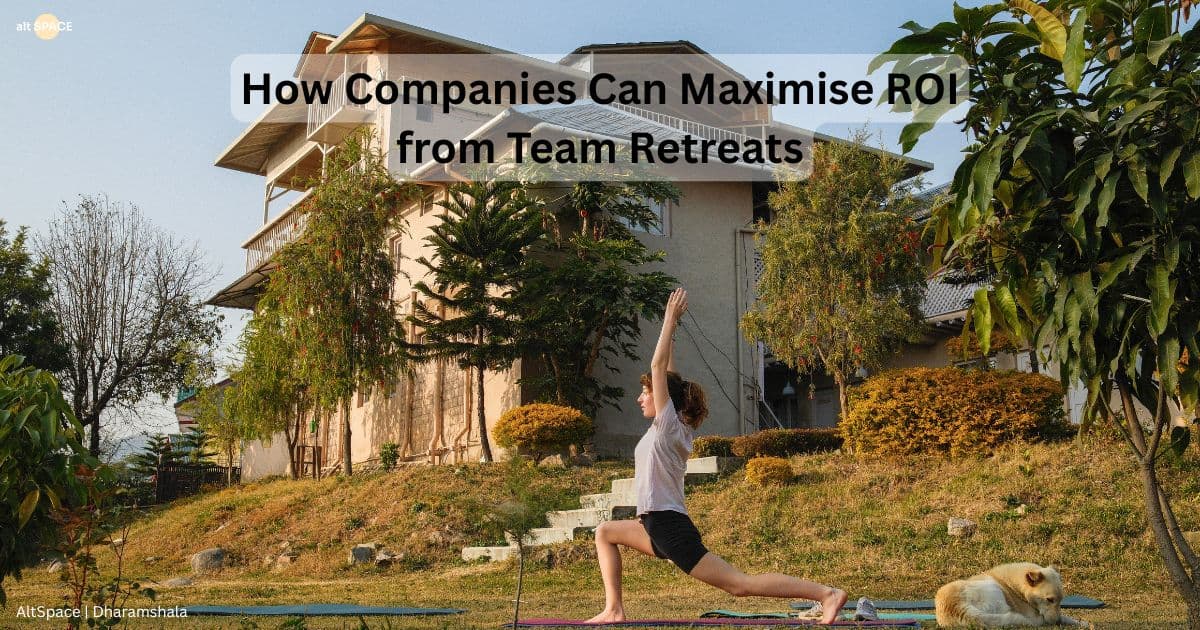
Team retreats are becoming an important part of company culture. Whether your team works from an office, remotely, or follows a hybrid model, bringing everyone together for a few days can have a lasting impact.
A well-planned team retreat is much more than a company trip. It helps employees connect, share ideas, solve problems together, and return to work with fresh energy. Companies that plan retreats with clear goals often see better teamwork, improved communication, higher employee engagement, and stronger business results.
However, simply taking your team to a beautiful location isn't enough. To get the best return on investment (ROI), every retreat should have a purpose, a thoughtful plan, and measurable outcomes.
In this guide, you'll learn how to organize a successful team retreat that benefits both your employees and your business.
What Does ROI Mean for a Team Retreat?
ROI, or Return on Investment, is the value your company receives compared to the money spent on the retreat.
Unlike buying software or equipment, the benefits of a retreat are often seen through people and culture. These benefits can include:
- Better communication
- Stronger teamwork
- Higher employee engagement
- More creative ideas
- Reduced employee burnout
- Faster problem-solving
- Better collaboration across departments
- Improved employee retention
- Higher productivity
When employees enjoy working together, they perform better, and that benefits the entire company.
Why Team Retreats Are More Important Than Ever
Today's workplace looks very different from a few years ago. Many companies have remote or hybrid teams spread across different cities or even countries.
While remote work offers flexibility, it also comes with challenges.
Employees may feel:
- Isolated from teammates
- Less connected to company culture
- Tired from endless online meetings
- Less comfortable sharing new ideas
- Less engaged with their work
A team retreat gives employees the opportunity to build real relationships through face-to-face conversations and shared experiences.
When people know each other beyond work, they naturally collaborate better at work.
Start With Clear Goals
One of the biggest mistakes companies make is planning a retreat without knowing exactly why they're organizing it.
Before choosing a destination or booking accommodation, ask questions like:
- What do we want employees to gain from this retreat?
- Are we trying to improve collaboration?
- Do we want to reduce burnout?
- Are we planning next year's strategy?
- Do we want different departments to work together better?
- Are we celebrating company achievements?
Having clear goals makes it easier to design meaningful activities and measure success afterward.
Involve Employees Before Planning
The best retreats are designed with employees, not just for them.
Before finalizing the itinerary, send a short survey asking questions such as:
- Which activities would you enjoy?
- What workshops would be most useful?
- Are there any dietary preferences?
- What would make this retreat valuable for you?
This helps create an experience that employees actually look forward to.
Choose the Right Location
The location plays a huge role in the success of a corporate retreat.
A peaceful environment away from daily distractions allows employees to relax, think creatively, and have meaningful conversations.
Popular team retreat destinations in India include:
- Dharamshala
- Manali
- Goa
- Rishikesh
- Coorg
- Udaipur
Mountain destinations are especially popular because they offer fresh air, beautiful surroundings, outdoor activities, and fewer distractions.
If your team also needs to work during the retreat, choose a venue with reliable high-speed internet, comfortable workspaces, meeting rooms, and quiet surroundings.
Places like AltSpace in Dharamshala combine coworking facilities with comfortable accommodation and nature, making it easy for teams to balance focused work with relaxation.
Plan the Retreat in Three Stages
The easiest way to organize a successful retreat is to think about what happens before, during, and after the event.
Before the Retreat
Good planning creates a great experience.
Before the retreat:
- Set clear objectives.
- Create a realistic budget.
- Book travel and accommodation early.
- Share the schedule with employees.
- Collect dietary and accessibility requirements.
- Decide how you'll measure success.
Preparation reduces last-minute stress and helps everyone arrive with the right expectations.
During the Retreat
Keep a healthy balance between work and relaxation.
A simple approach is:
- 40% work sessions
- 30% team-building activities
- 30% free time and relaxation
Avoid scheduling meetings from morning until night.
Employees need time to explore, chat over coffee, enjoy nature, and simply relax. These informal moments often create the strongest team connections.
After the Retreat
Many companies lose momentum after returning to work.
Within a week after the retreat:
- Share photos and highlights.
- Send a feedback survey.
- Review ideas from workshops.
- Assign owners to important action items.
- Schedule a follow-up meeting after one month.
Following up ensures that good ideas become real improvements instead of being forgotten.
Balance Work and Fun
A successful corporate retreat is not a holiday, but it shouldn't feel like another week at the office either.
Include a mix of:
- Strategy sessions
- Brainstorming workshops
- Team-building games
- Outdoor adventures
- Shared meals
- Networking opportunities
- Free personal time
Employees often have their best conversations during lunch, evening walks, or around a bonfire—not inside a meeting room.
Help Employees Recharge
Employee burnout has become one of the biggest challenges for modern companies.
Constant meetings, deadlines, and notifications can leave employees mentally exhausted.
A retreat gives everyone a chance to slow down.
Simple activities like hiking, yoga, nature walks, cricket, volleyball, meditation, or simply enjoying fresh mountain air can improve both physical and mental well-being.
Employees who return refreshed often feel more motivated and productive.
Encourage Creativity
Changing the environment often changes how people think.
Instead of holding brainstorming sessions inside a conference room, try conducting them outdoors or in informal spaces.
You can also include workshops on:
- Innovation
- Product strategy
- Customer experience
- Leadership
- Design thinking
- Problem-solving
A relaxed atmosphere encourages employees to speak openly and share ideas they might not mention during regular office meetings.
Bring Different Teams Together
Many departments rarely work closely with one another.
A retreat is a great opportunity to encourage collaboration between:
- Marketing and Product
- Sales and Engineering
- Customer Support and Design
- HR and Operations
Cross-functional conversations often lead to better ideas and stronger teamwork across the company.
Don't Overfill the Schedule
One of the most common mistakes is trying to plan every hour of the day.
Leave time for:
- Coffee breaks
- Casual conversations
- Reading
- Exploring nearby places
- Personal reflection
Sometimes the most valuable discussions happen when there is no planned activity.
Example of a 3-Day Team Retreat Schedule
Every company is different, but this simple schedule works well for many teams.
Day 1 – Connect
- Welcome lunch
- Team introductions
- Company updates
- Icebreaker activities
- Group dinner and bonfire
Day 2 – Collaborate
- Strategy workshop
- Brainstorming sessions
- Team-building activities
- Outdoor adventure or hike
- Evening games
Day 3 – Plan Ahead
- Goal-setting session
- Action planning
- Employee feedback
- Closing lunch
This balance keeps employees engaged without feeling overwhelmed.
How to Measure the Success of Your Team Retreat
A successful retreat should create measurable improvements.
Here are some simple ways to evaluate your ROI.
Employee Feedback
Ask employees:
- Did you enjoy the retreat?
- Did you build stronger relationships?
- Did you learn something valuable?
- What could be improved next time?
Anonymous surveys usually provide honest feedback.
Team Collaboration
After the retreat, notice whether teams:
- Communicate more openly
- Solve problems faster
- Collaborate across departments more often
These are strong signs that the retreat was successful.
Employee Engagement
Compare employee engagement before and after the retreat.
Look for improvements in:
- Motivation
- Participation
- Job satisfaction
- Knowledge sharing
Productivity
Measure business outcomes such as:
- Faster project completion
- Better meeting efficiency
- More innovative ideas
- Quicker decision-making
- Improved teamwork
Employee Retention
Employees who feel connected to their teammates and company culture are more likely to stay with the organization.
Retreats help strengthen that connection.
A Simple ROI Checklist
Use this checklist after your retreat.
| Question | Yes/No |
|---|---|
| Did employees enjoy the retreat? | |
| Did collaboration improve? | |
| Were new ideas generated? | |
| Did different teams work together? | |
| Did employees feel less stressed? | |
| Did everyone understand the company's goals better? | |
| Was useful feedback collected? | |
| Were action items assigned after the retreat? |
The more "Yes" answers you have, the greater the value your retreat has delivered.
Budget Smartly
The cheapest retreat isn't always the best investment.
Your budget should include:
- Accommodation
- Food and beverages
- Transportation
- Meeting spaces
- Team-building activities
- Internet connectivity
- Local experiences
- Emergency expenses
Choosing a venue with reliable internet, comfortable workspaces, and peaceful surroundings often creates a much better experience than simply choosing the lowest price.
Common Mistakes to Avoid
Many companies make avoidable mistakes when planning retreats.
Try to avoid:
- Planning without clear goals
- Scheduling too many meetings
- Giving employees no free time
- Ignoring employee feedback
- Choosing locations with poor internet
- Forgetting follow-up actions
- Not measuring results afterward
A little planning can make a huge difference.
Final Thoughts
A successful team retreat is one of the best investments a company can make in its people.
When employees have the chance to connect outside their daily routines, they communicate better, trust each other more, and return to work with renewed motivation. These improvements often lead to stronger collaboration, higher productivity, and a healthier company culture.
The most successful retreats aren't the most expensive—they're the ones planned with clear goals, balanced schedules, meaningful activities, and proper follow-up. By measuring outcomes and acting on the ideas generated during the retreat, companies can maximize the return on every rupee they invest.
If you're planning a corporate retreat in India, destinations like Dharamshala offer the perfect combination of peaceful surroundings, fresh mountain air, reliable connectivity, and opportunities for outdoor activities. Spaces such as AltSpace provide a comfortable environment where teams can work, connect, and recharge, making them an excellent choice for companies looking to combine productivity with relaxation.
Remember, a great team retreat doesn't end when everyone goes home. Its real success is measured by the stronger relationships, better ideas, and improved teamwork that continue long after the retreat is over.